
i used to think that novels were a waste of time
the question of taste ✦ stealing art from fictional museums ✦ and everything else I read in April–May 2026

One of the minor tragedies I inflicted upon myself, in my early twenties, was to stop reading novels. Why read fiction, I thought, when there were books about actual facts and historical figures and ideas? The whole concept of a novel seemed indulgent—a waste of time.
“I only read factual books,” the musician Noel Gallagher said to GQ, after being named the magazine’s Icon of the Year in 2013. “I mean, novels are just a waste of fucking time…I like reading about things that have actually happened.” But when his interviewer pressed him on this:
Do you like films?
Yeah, I love films.
But films aren’t real. Do you sit watching them thinking, “Oh, this didn’t happen”?
Well, you’ve presented me with a dilemma there.
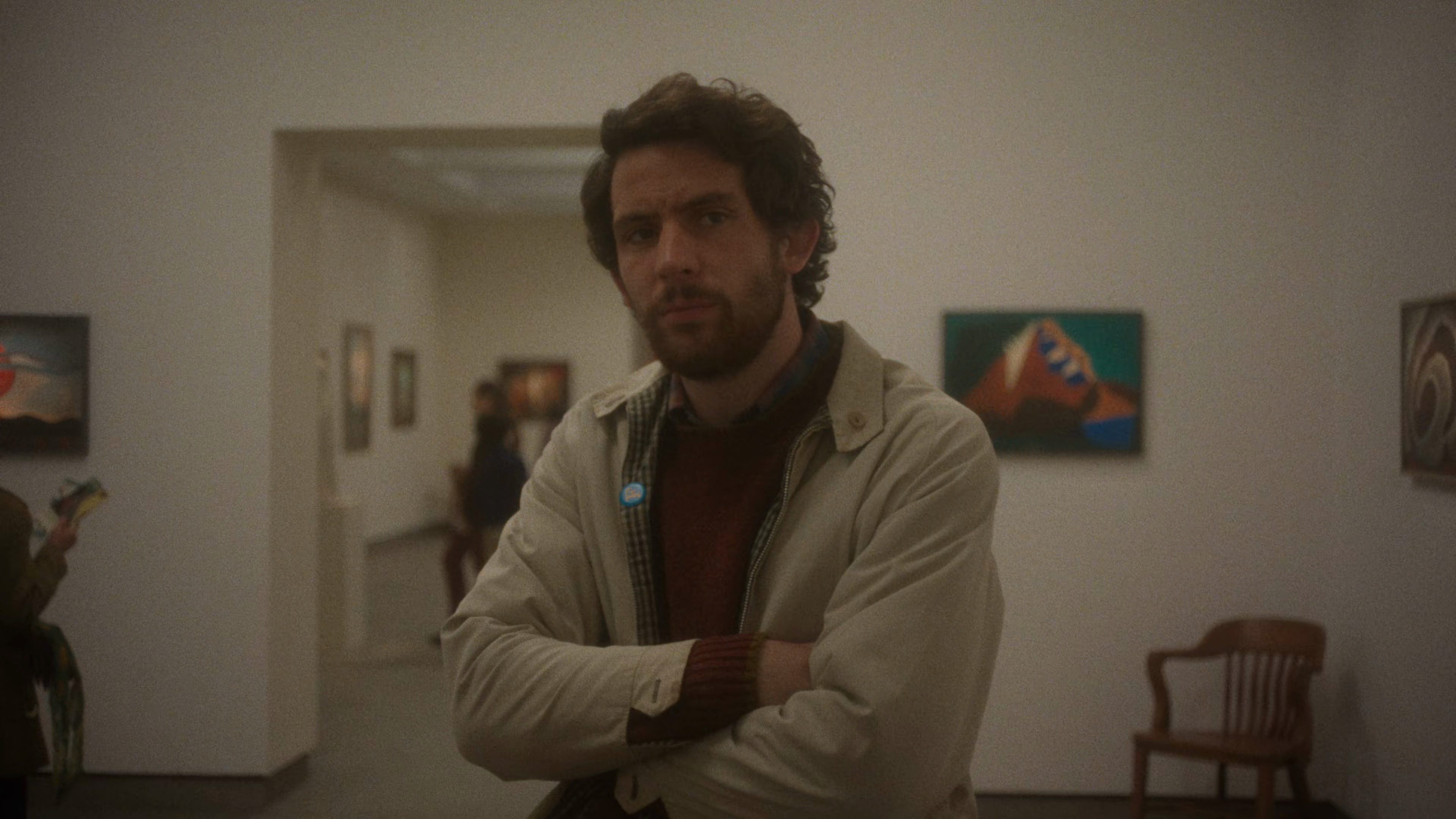
It’s easy to disdain fiction; it’s harder to escape it. In 2014, the novelist Rachel Cusk described fiction as “fake and embarrassing.” Her celebrated autofictional trilogy—Outline, Transit, Kudos—dismantled the tropes of fiction and reworked them. But after that? Back to the novel, with Second Place, which featured fake characters, fake problems, and fake attempts at resolution. (I loved it.)
I wrote about fact and fiction (in the work of Roberto Bolaño, Catherine Lacey and Jonathan Buckley) in—

It’s hard to explain why fiction matters. Reading a novel don’t always make us more moral, for instance—although my moral intuitions have been shaped by reading about the adulterous affairs of Russian aristocrats, and the political idealism of Norwegian PR consultants.1 The modest claim I’ll make here is that novels and films have made me a better person, through the obscure mechanisms of style and form and story, and I’ll never be without them again.
I still like nonfiction, though—especially when it operates through more direct mechanisms of fact and utility.
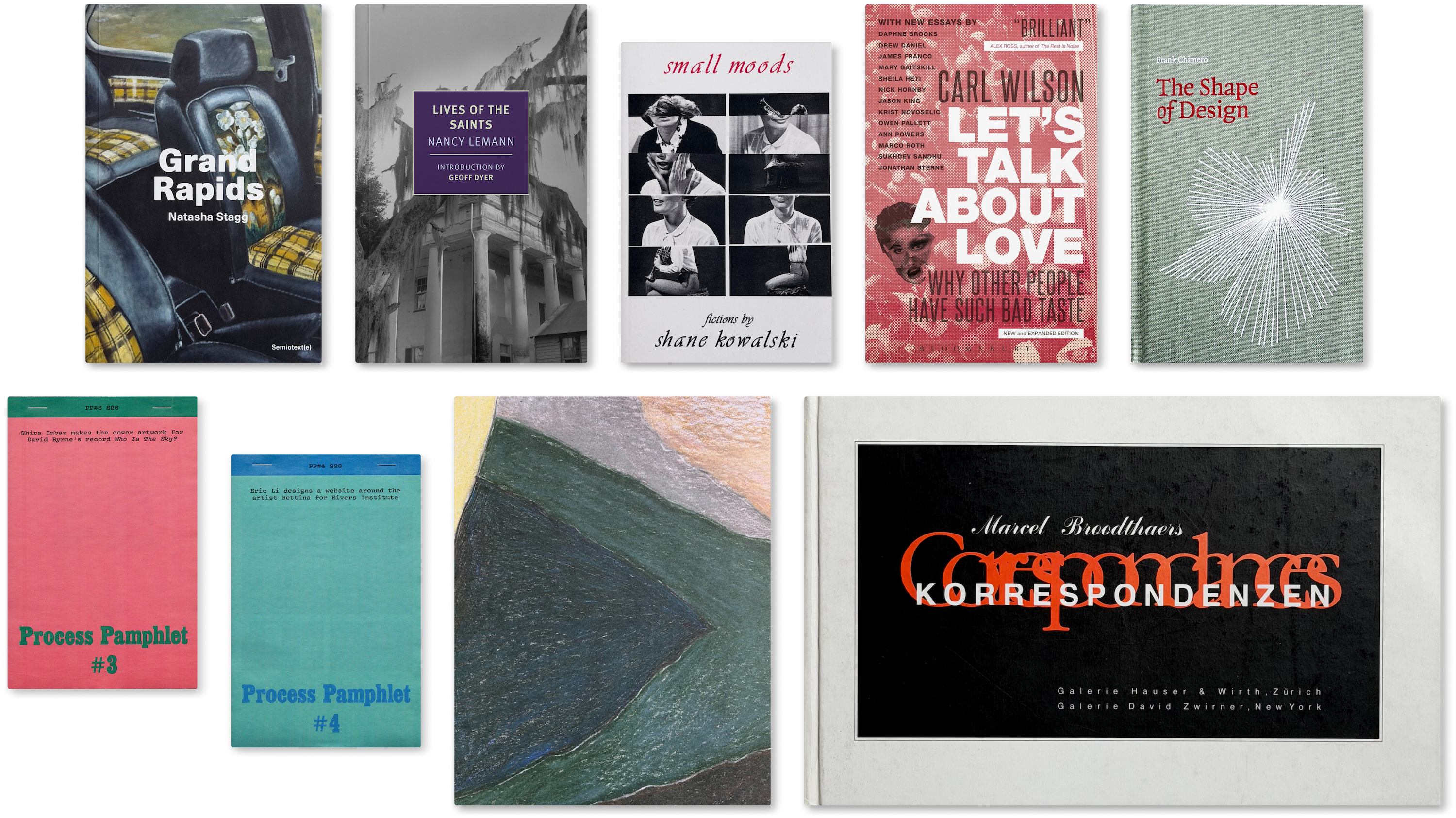
Below, brief reviews of:
2 touching (and, it must be said, slightly devastating) novels set in American cities…that are not NYC/LA/SF!
A new book from MUBI Editions about the making of Kelly Reichardt’s The Mastermind (and thank you MUBI for sponsoring this newsletter!)
2 tiny pamphlets about the creative process
2 nonfiction books that take Silicon Valley’s latest obsession, “taste,” in a more intimate direction
A short story collection for fans of Lydia Davis
And recommended essays on artistic friendships, the history of science, writing advice that works, and more
Novels set in the rest of America
In early April, I started a new essay project. I gave myself 4 weeks to finish a first draft and ended up needing 6. After filing my draft on May 20, I realized that, for the entire duration of the writing process, I hadn’t finished a single novel.2
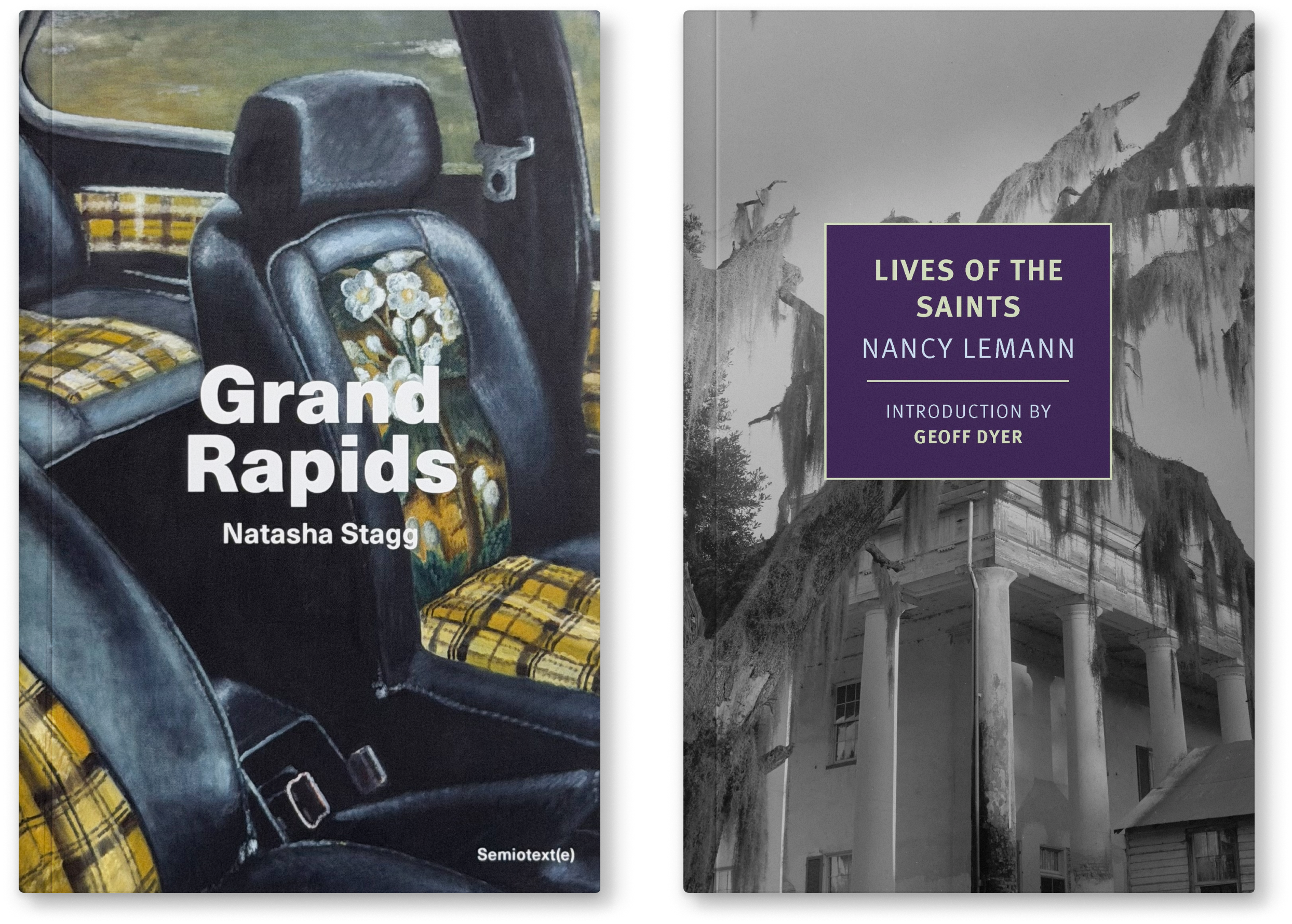
I proceeded to spend the next 48 hours restoring myself to sanity, beginning with Natasha Stagg’s Grand Rapids. I didn’t realize, until I began reading Stagg’s novel, how tired I am of stories set in NYC—not because I have any particular grudge against cities or MFA fiction or contemporary life, but simply because I want more places to escape to.
Grand Rapids is about a fifteen-year-old girl, Tess, whose mother has just passed away. Where can a story go after you learn about a dead mother on page 2? Well, it can go into the bedroom of Tess’s “only real friend,” Candy, where the two get high together and engage in a furtive, proto-erotic game with each other, listening to Candy’s playlists and discussing the boys in their lives. The novel is intensely, affectingly cramped, in the way that adolescence tends to be cramped: awkward house parties, Sunday church, shoplifting cough syrup to get high.
I was touched by the rudderless, anxious hopefulness of Grand Rapids. It’s not a showy novel, but Stagg’s writing has regular flashes of brilliance. At one point, Candy shows Tess a song, “which was of a low quality that made it sound authentic.” And later on, when Candy and her boyfriend drag Tess along to a street fair, Tess—deploying all the the insolence, introversion, and angst of youth—tells the reader:
I couldn’t believe they would rather be in the thick of this generic moment instead of listening to music they liked at home.
I came away from Grand Rapids feeling attached to the minor settings of America: not NYC, not LA, not even my cherished San Francisco—which made it easy to buy a copy of Nancy Lemann’s Lives of the Saints, a novel depicting the dissolute elegance of New Orleans.
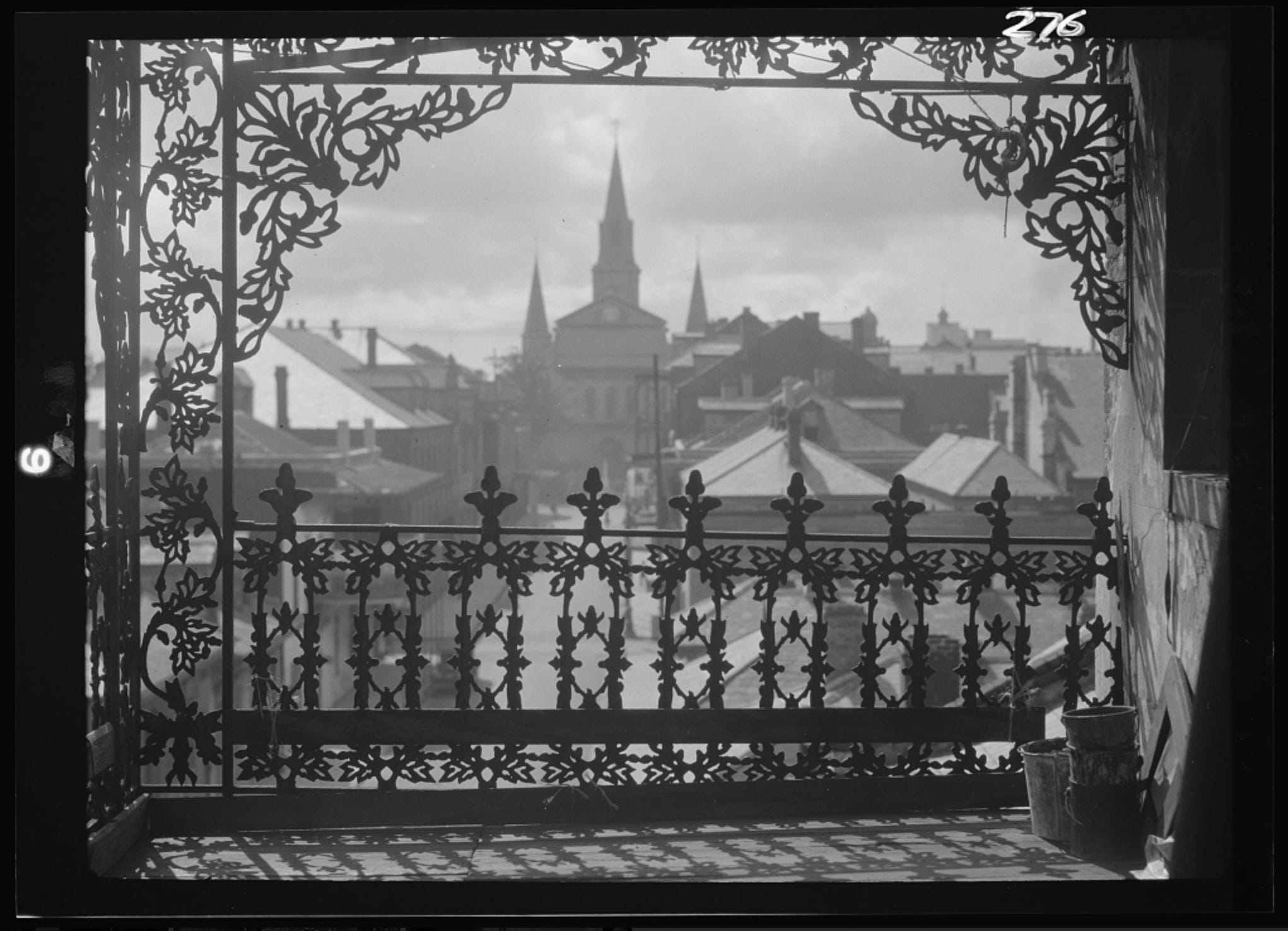
My first encounter with Lemann’s writing was in the fall 2022 issue of the Paris Review. Her winsomely titled “Diary of Remorse” begins like this:
I was plagued by remorse, but my remorse seemed inspired by insignificant dumb things—things not really worthy of bona fide remorse…Remorse is akin to regret but more violent than regret. The overall atmosphere in my case seemed to derive from generic self-loathing…
Meanwhile I went to Rigoletto at the neighborhood movie theater…I had no real expectations because usually in their presentations you have to watch these super annoying blond-haired women in evening gowns effusing in an airhead way about the opera for what seems like an eternity before the performance starts.
I was enchanted, instantly. To go from such intensively narrated self-loathing to such flippant judgment! I had just signed up for an annual subscription to the Paris Review, and I knew that it would be worth it, as long as I could read work like this.
I’ve been meaning to read more of Lemann’s writing, and now that NYRB Classics has reissued her debut novel, Lives of the Saints, it’s much easier to do so. (It was originally published in 1992, by the legendary editor Gordon Lish.3) Amazingly, after three years of anticipation, the book lives up to my expectations. The novel is sublime and charismatic and steeped in the languor of New Orleans; each page is dense with sensations and the most baroquely rendered characters.
Lives of the Saints is about a young woman named Louise and a strangely elegant, charismatic, dissolute man she falls in love with: Claude Collier.4 In the first 26 pages, we learn that:
“He was absent-minded, disheveled, not vain. Vanity is worse than any vice, in my opinion. He had none…”
“Claude…never read a book in his life. But he was just as sweet natured as his father was…They dreaded hard words; they dreaded scenes.”
“He did not have an intellectual turn of mind. No intellectual passions. However, he was what you would call a sterling character…the most sterling character I have ever known.”
The combination of high praise and unappealing traits (“never read a book in his life”) makes for a strangely unstable portrait. And the image Louise has of a preternaturally saintly man, coupled with the offhand observations that “he was hanging around with wino lunatics and racetrack habitués and other weird types of wrecks” sets us up for a slow-moving catastrophe. It’s a beautiful novel; I want to lend it out to everyone I know.
Nonfiction
How to make a movie
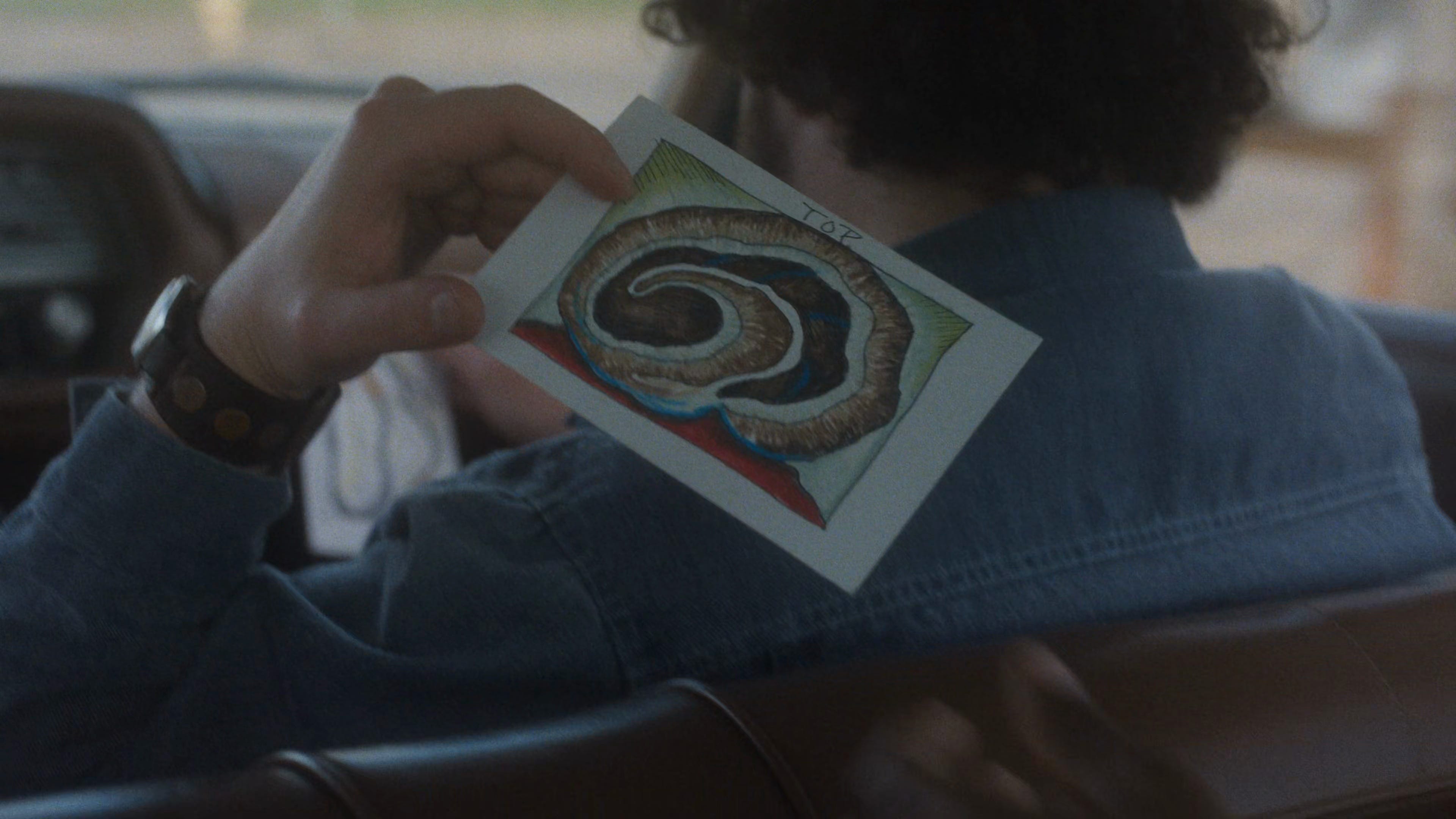
I love heist films. (I love heists in real life, too: the Louvre robbery last October; the unsolved theft of 13 works of art from a Boston art museum in 1990.) And part of what I love is the gradual escalation of a typical heist. You meet the mastermind, the getaway driver, the character who performs mysterious feats of security-system hacking from afar. You see them come up with a plan. You see them practice. You see them execute the plan, often in the second half of the film, in a beautiful climactic frenzy of activity.
But The Mastermind, directed by Kelly Reichardt (2025), upends this. Reichardt’s films are typically more sedate, slow-cinematic projects—she’s influenced by the Belgian filmmaker Chantal Akerman—and it’s fun to see her dismantle the usual tropes of a heist film. The protagonist here is James Blaine Mooney (played by Josh O’Connor), an unemployed family man living in a small Massachusetts town. And the heist—where Mooney steals 4 paintings by a lesser-known modernist painter—happens in the first half. This meant, the director Reichardt explained, that “me and the character both won’t have that structure, and we’ll fall into something else.”
Mooney’s self-destructive schemes take place against the backdrop of a politically polarized America. In an essay about The Mastermind, the critic Lucy Sante observed that:
Mooney is a creature of his time: 1970, the year students…were killed by the National Guard, when the Vietnam War expanded to Cambodia…and the campaign of bombings by the far-left militant organization Weather underground got started…
Mooney is a child of privilege…But while he is clearly rebelling against his background…he is also testing himself to see if he can live up to the demands of his time.
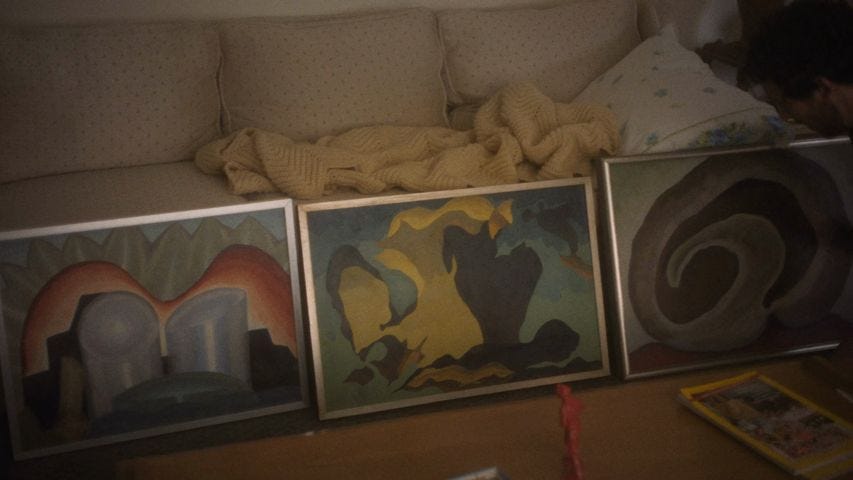
Sante’s essay appears in a book published by MUBI Editions, a publishing project by the film streaming service. I became quite attached to MUBI during COVID, when I was living in London with two CSM graduates. There’s a lot of great cinema on the platform—MUBI introduced me to Céline Sciamma’s Girlhood (more beautiful and strange and memorable than Portrait of a Lady on Fire, in my opinion!) and some of Krzysztof Kieślowski’s films, including the first of his Three Colors trilogy.
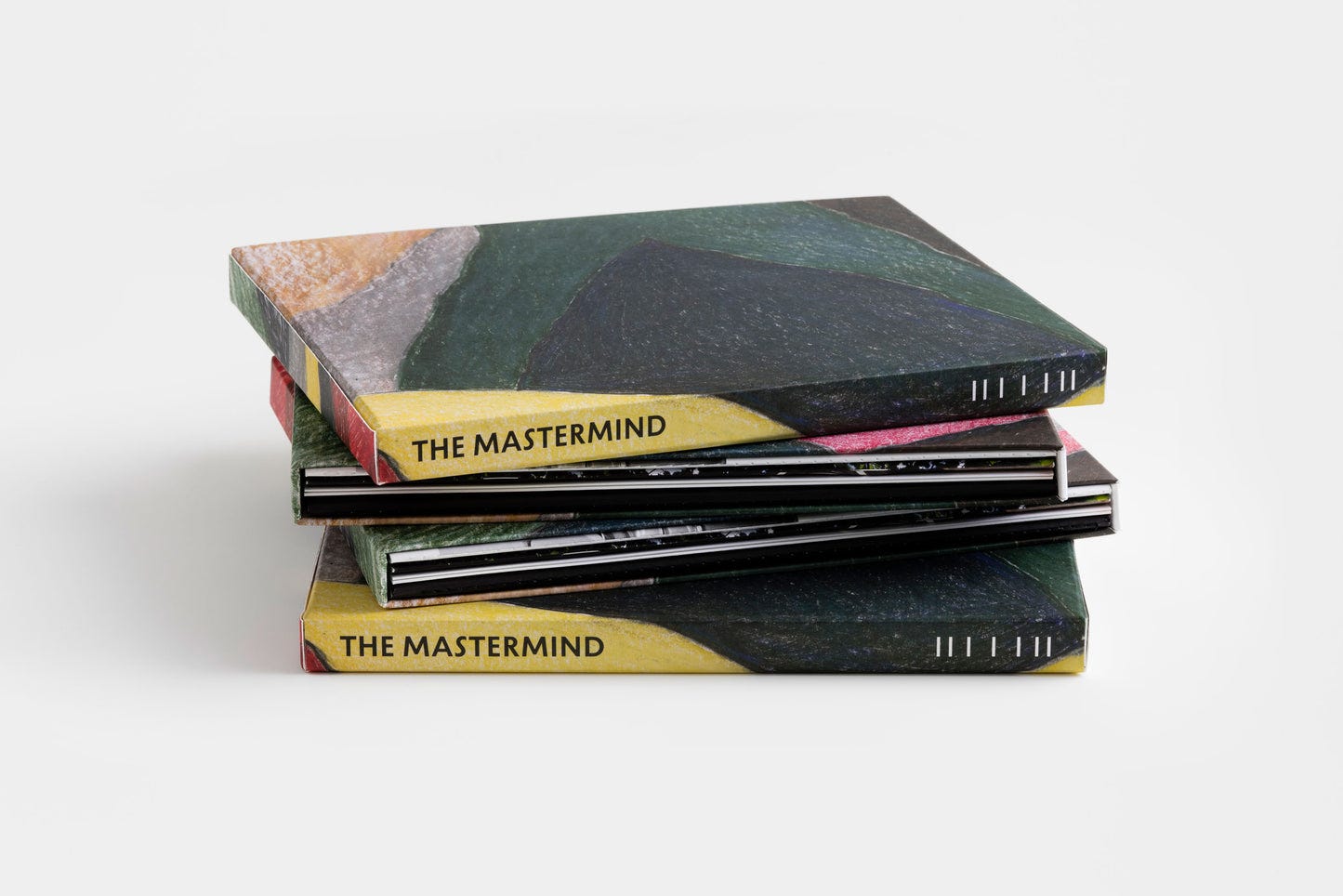
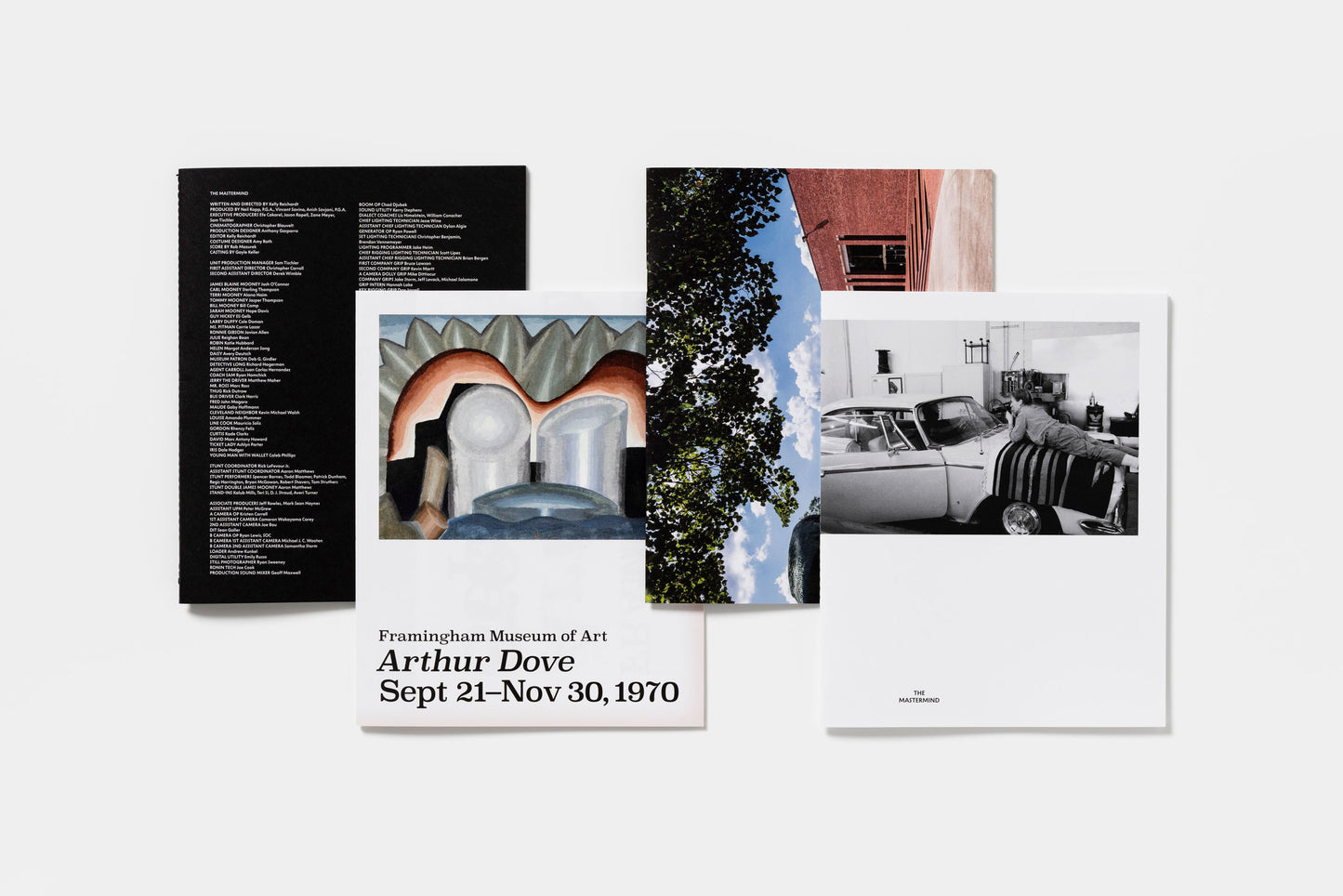
The Mastermind book features a box set of 4 booklets and other printed objects showcasing the process of making the film. One of the booklets shows how the museum was created: the floorplan taped on the floor of a warehouse, the paint colors used for the walls, (Buff No. 20 and Drab. No 41, “a sombre brown…particularly good on woodwork”), the in-progress interior with paintings wrapped in plastic.
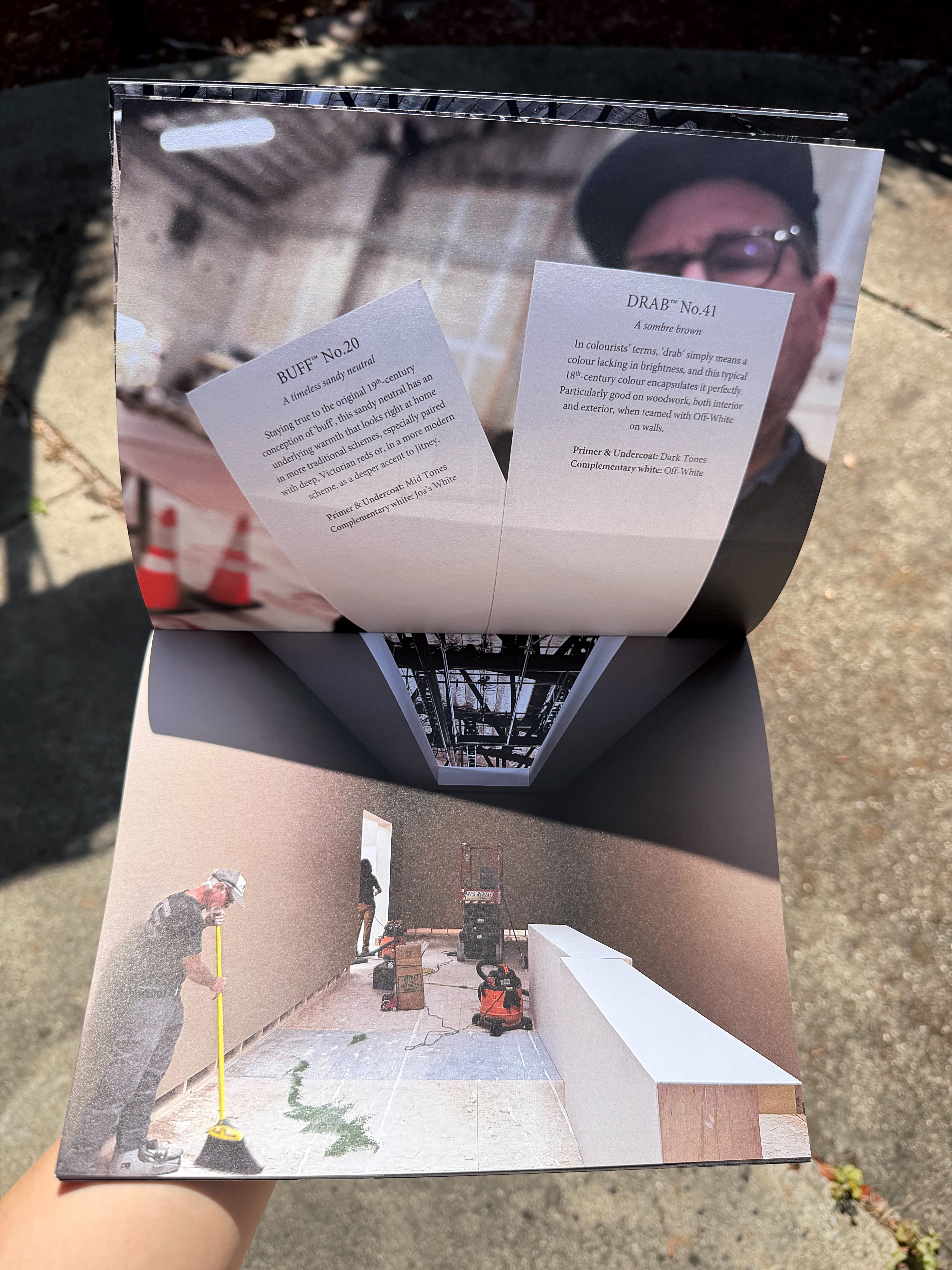
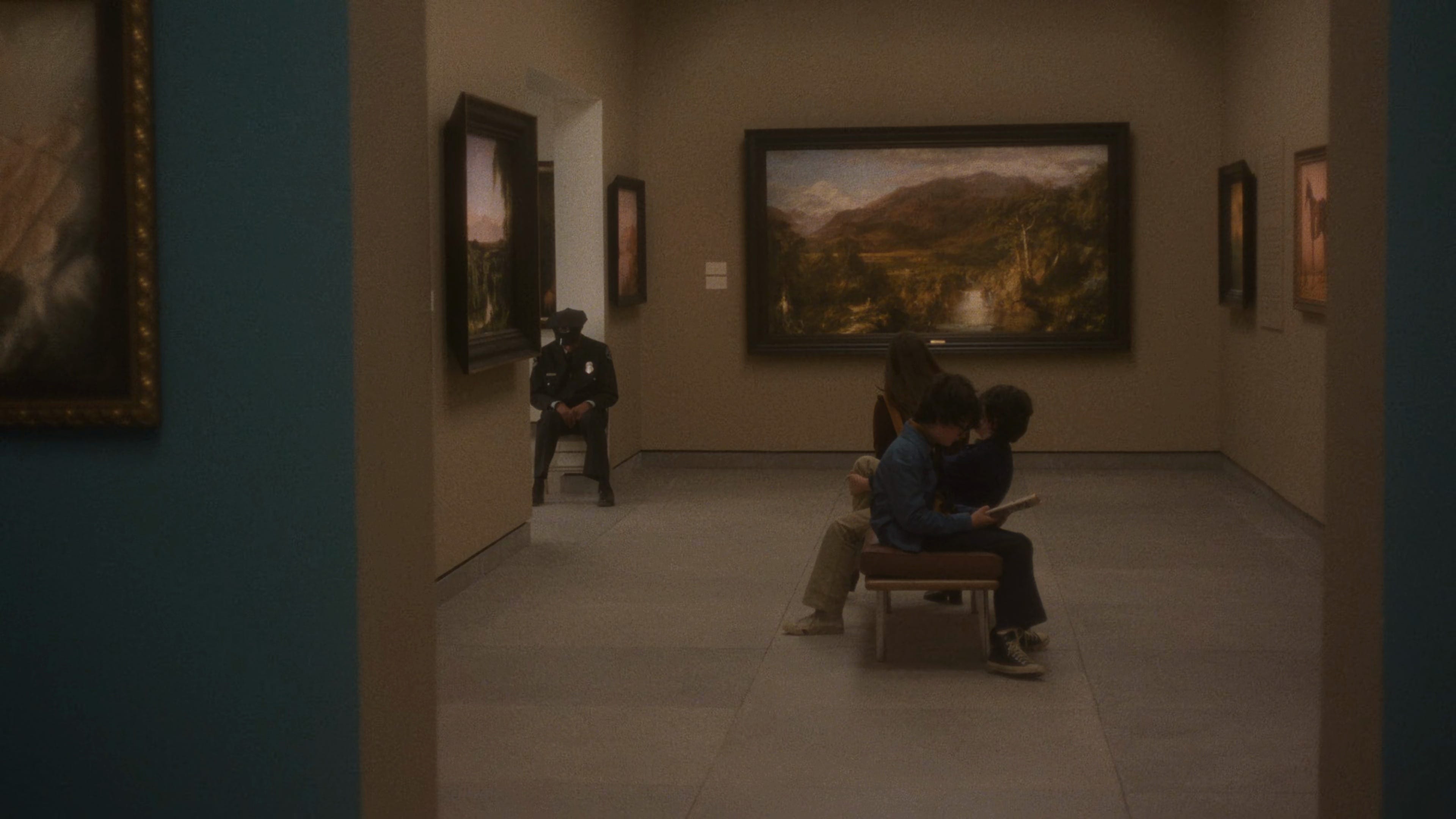
One of the appealing qualities of the heist film is that you see the work involved, which makes you more invested in the outcome. The same is true of design and art and film: seeing the labor underneath makes the result more satisfying. Another booklet quotes the production designer, Anthony Gasparro, obsessing over the “dreary interior” of Mooney’s house and how historically accurate the color palette needed to be; he also describes the process of designing a newspaper (“We used references to work out the size of the paper, the fonts, the spacing”) that appears in the film. The costume designer, Amy Roth, discloses her own obsessions: finding an appropriately ugly suit for Mooney to wear (“a fuller cut, more boxy, less dashing”).
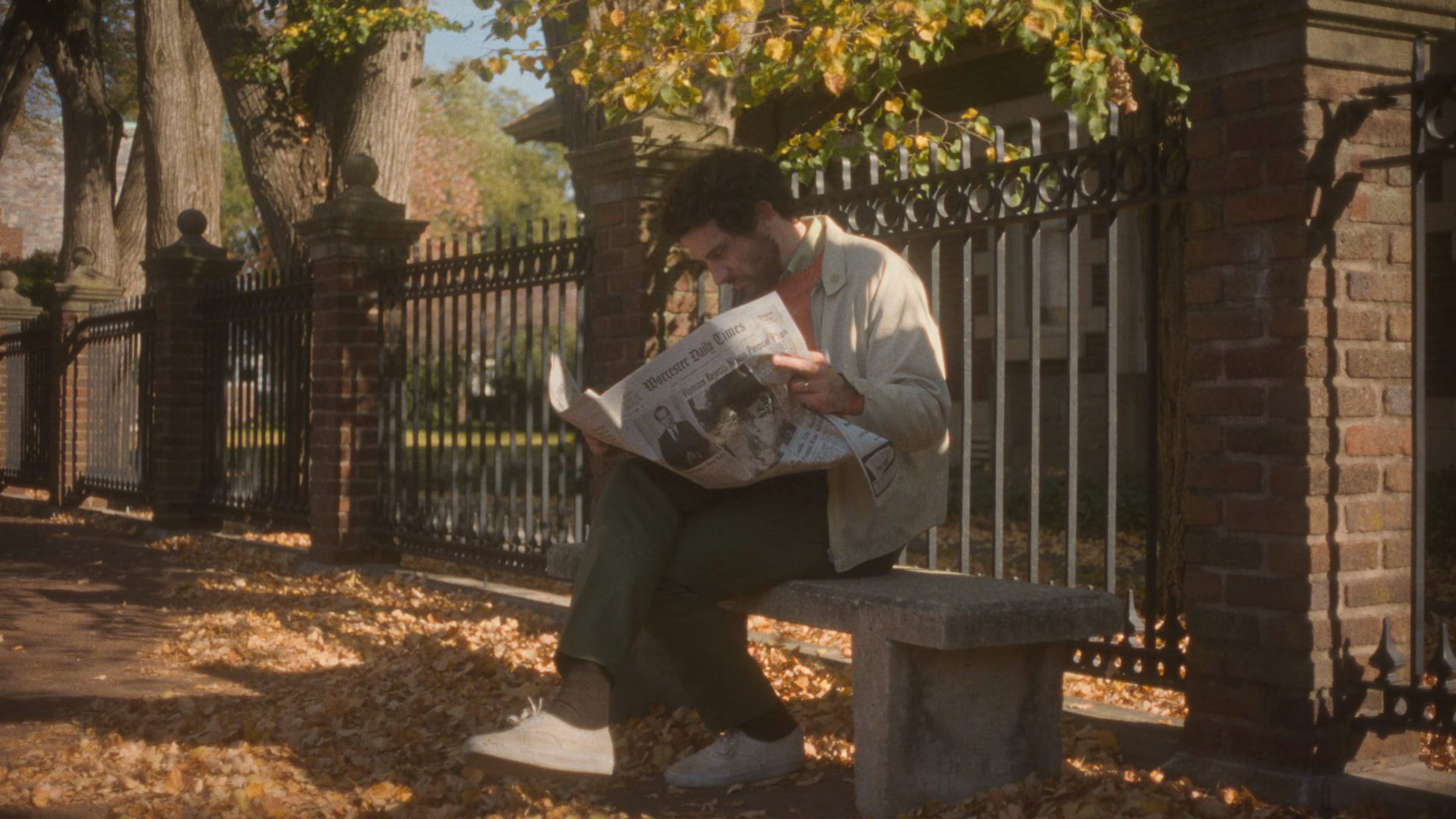
It’s a nice way to get behind the scenes of Reichardt’s film (and the booklets themselves are beautifully typeset in Solar, a geometric sans serif by Dinamo). You can order a copy of the book from mubieditions.com—
—and you can stream Kelly Reichardt’s The Mastermind, along with other ambitious films, on MUBI. If you don’t already have an account, you can get 30 days free at mubi.com/personalcanon.
An invitation to another fictional museum
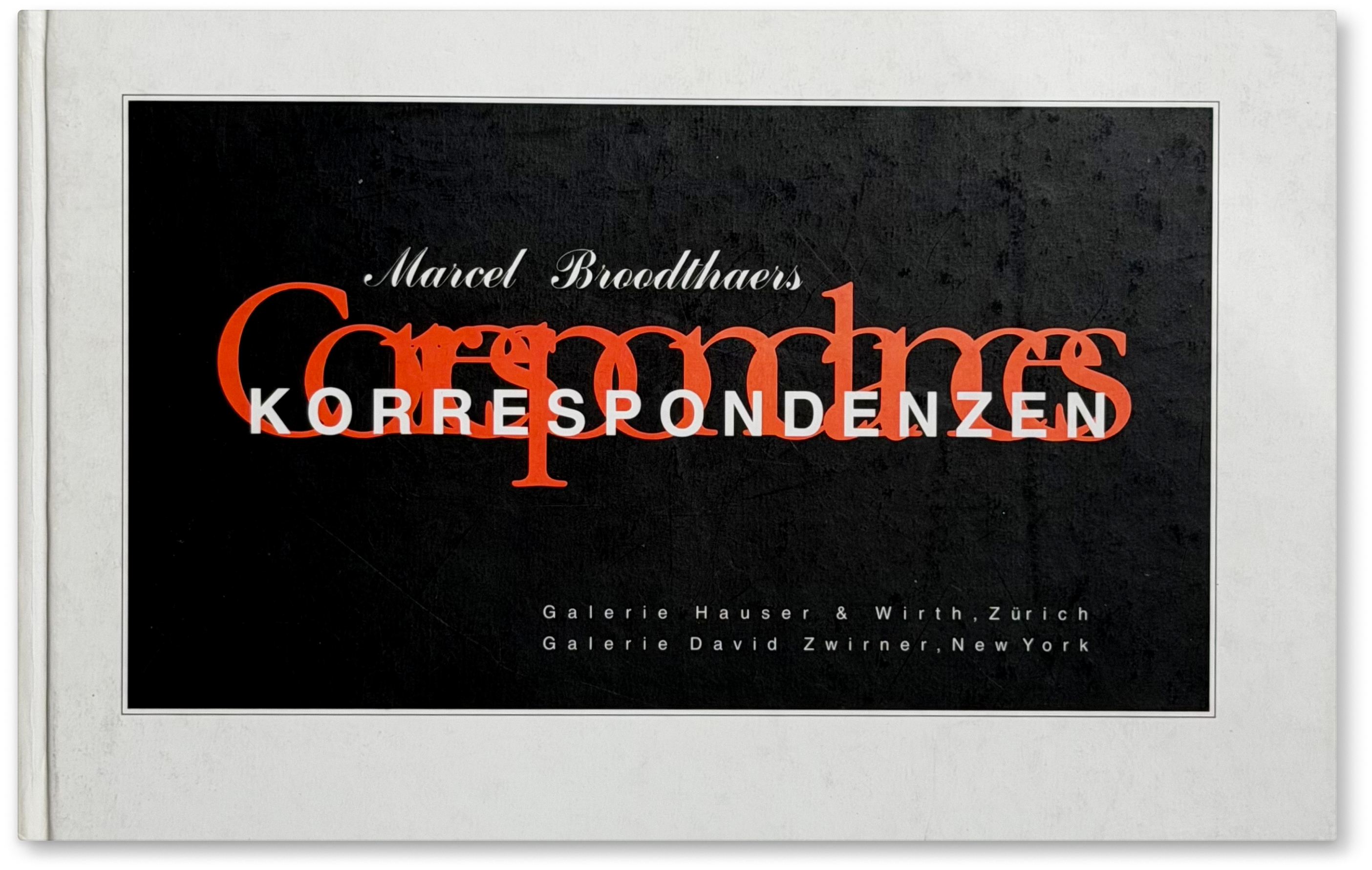
I also read another museum-related book, Marcel Broodthaers: Correspondances, published in 1995 for an exhibition of the Belgian artist’s work. I’ve been interested in Broodthaers ever since I saw his work at the Sammlung Hoffman, a private art collection in Berlin.
Broodthaers was a poet for about 2 decades before turning to art—a decision that he later described, provocatively, to be motivated by money more than interest:
I, too, wondered whether I could not sell something and succeed in life. For some time I had been no good at anything. I am forty years old... Finally the idea of inventing something insincere crossed my mind and I set to work straightaway.
He’s a writer’s artist, I think; not just for the works that operate like visual poems (like L’Oie, l’aile, which I’ve only seen photos of but adore), but also for the works that playfully investigated “museums” and “art objects” as concepts. His fictional museums—which he created floorplans and printed material for—operate as investigation and critique of real-life museums. But they’re also just funny. I love looking at his work; it’s clear that Broodthaers had an eye for composition and typography.
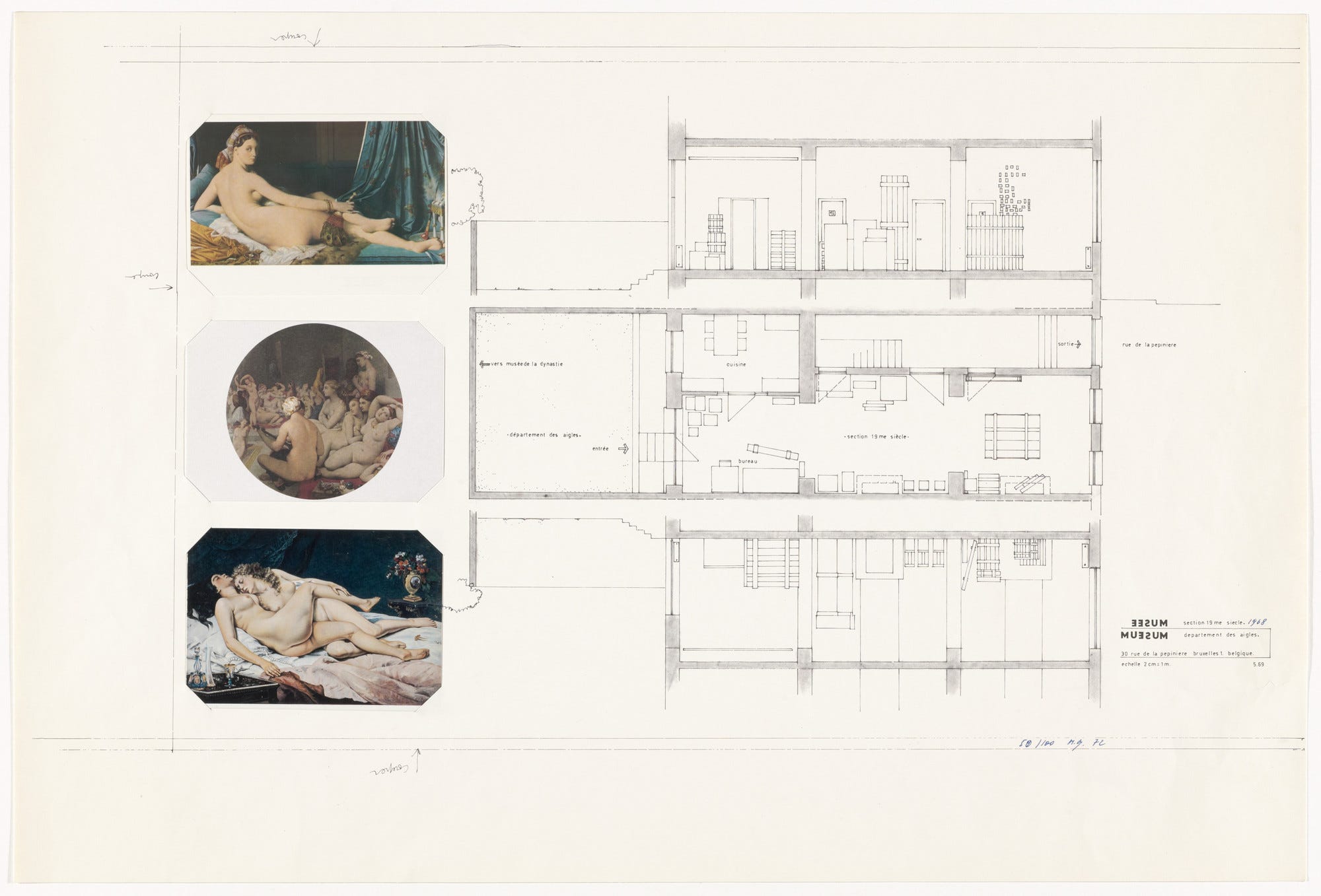


I’d been loosely meaning to learn more about Broodthaers at some point, so it felt really special to come across Marcel Broodthaers: Correspondances while browsing Et al’s bookshop in San Francisco. (I was back in town for 2 weeks in May; I’m now writing this newsletter back in London and feeling very bereft.) It’s nice when secondhand books enter your life with a feeling of profound, obscure significance. In addition to the usual full-color photographs of Broodthaer’s work, it also includes…interviews? questionnaires? with several artists about Broodthaers. Some of the most intriguing quotes:
Carl Andre, an American minimalist sculptor—“Marcel was a kind of artist impossible in America: His art has nothing to do with success or failure.”
Hans Haacke, a Conceptual artist whose work, like Broodthaers’s, critiques the museum and other art-world institutions— “Even today I still consider [Broodthaers’s 1972 exhibition] one of the biggest ‘art’ events of the second half of the 20th century. It still hasn’t been digested.”
Mike Kelley, an American artist— “To be honest, Broodthaers is not an artist I have spent much time thinking about.”
Small steps towards a finished work
I’m realizing now that the theme of the last 2 months was creative process, in all forms, because I also bought 2 issues of Process Pamphlets, designed and edited by Ben Denzer. I’m interested in everything that happens before a finished work—whether it’s writing or design or art or architecture or software—and each issue of Process Pamphlets shows exactly that, for one designer’s project.
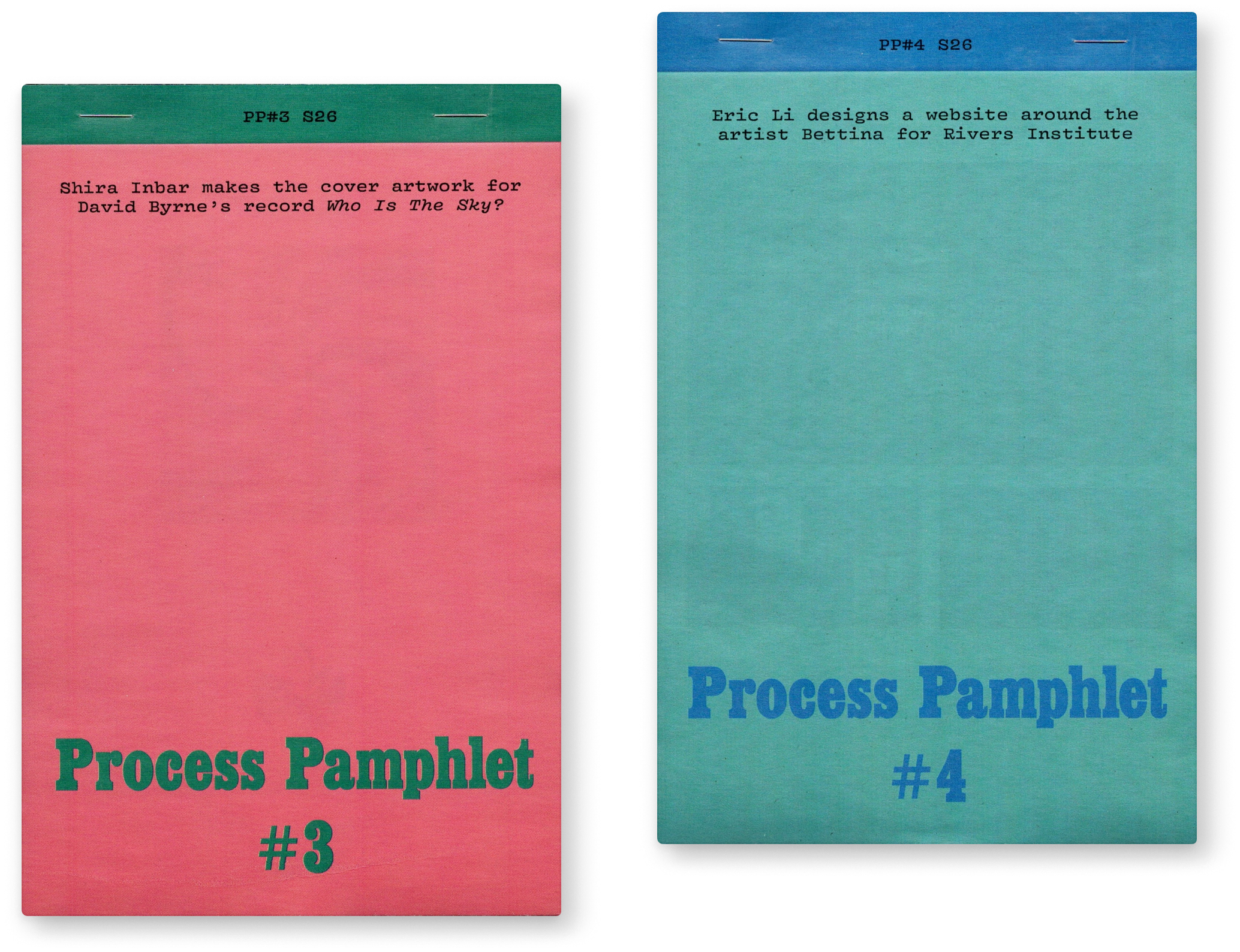
On the back of each issue are the words:
The process of design is often hidden. We think it should be more visible.
So Eric Li’s pamphlet (right, also below), which actually mentions Broodthaers in it—more serendipity!—includes the email he originally received about the website project, along with sketches and Google docs and spreadsheets and even how much Li charged the client, and why. The CMS he chose. Why he used Astro for the frontend. The .txt file he used to remember his to-dos.
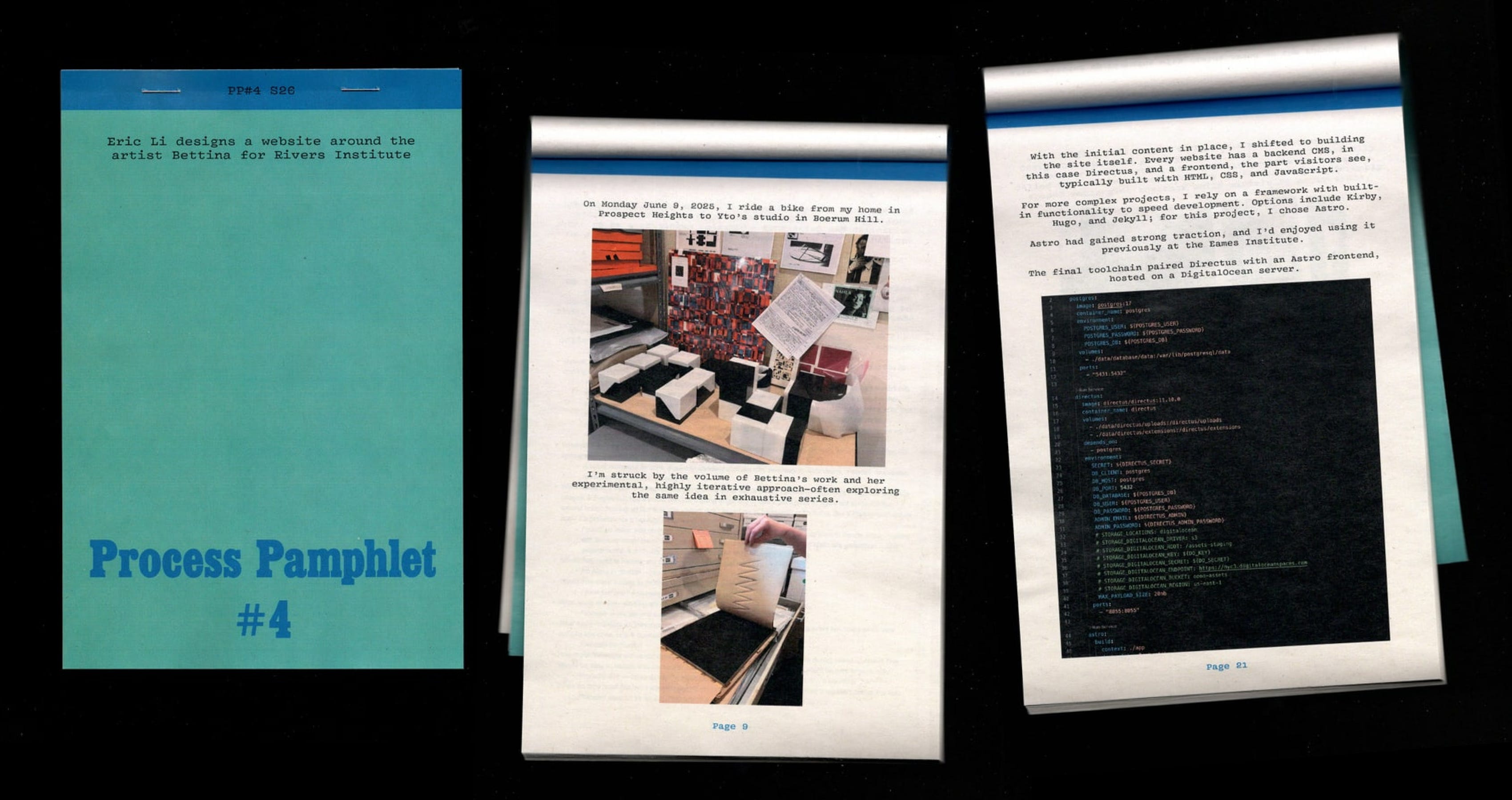
I’m really excited for this series and will keep an eye out for future issues—because I, too, think that the invisible process behind the work should be made visible!
My own process newsletters on how I write book reviews—


The question of taste
And I read two books that are about that much-discussed, rarely-defined t-word…taste. Or something like it.
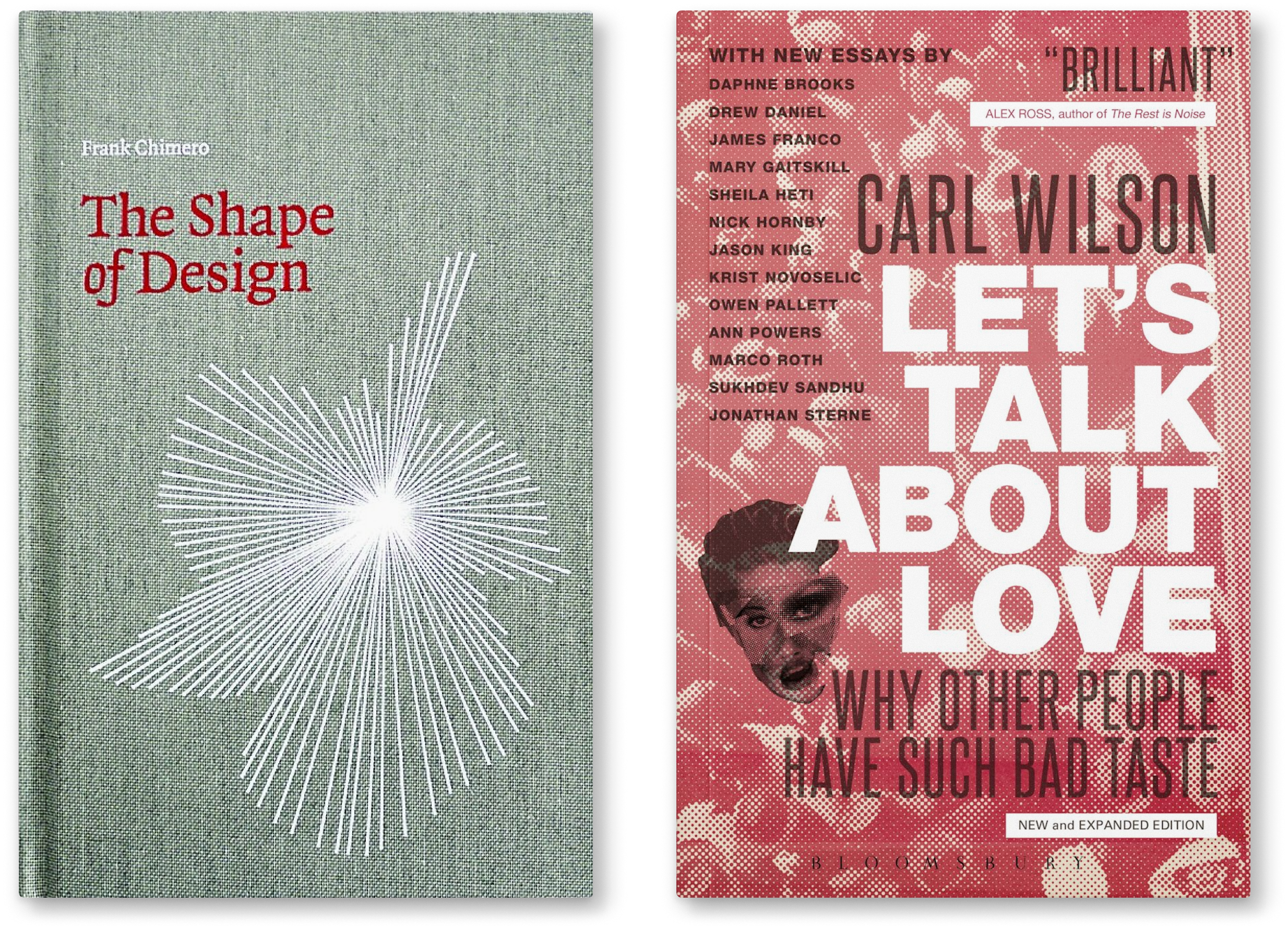
You can read Frank Chimero’s The Shape of Design online, or buy a paperback copy, but I’m secretly pleased to own the elegant cloth-bound hardcover from the 2012 Kickstarter campaign to publish Chimero’s essays on design, process, collaboration, and storytelling. I must have stolen this from a design mentor at some point—I can’t remember and apologize deeply if so—because I only found out about Chimero’s work in 2013, when his essay “What Screens Want” went viral online. It’s about how to design websites and interfaces without blindly copying from how physical objects look, and it was—in my opinion—an essential part of the 2010s design canon. “The Web’s Grain,” which he published in 2015, felt equally revelatory when I read it.
There still aren’t many web and product designers who write like Chimero, with a sensitivity to narrative and a more expansive, philosophical bent. (But I’d love your nominations in the comments—and feel free to email me, too!) The Shape of Design has an abstract, koan-like way of discussing design process and execution—I’ve described it to people as the more concise version of Rick Rubin’s The Creative Act.5 It is, however, more niche; Chimero isn’t really concerned with the question of who an artist is, or how to stop procrastinating, or how to go from a rough draft to a final work. He’s addressing people who are somewhat professionalized already, who are executing reliably—and need, perhaps, some advice on improvisation, adding mystery to a work, establishing an affective relationship to an audience.
When I reread it in April, I filled 9 pages of my notebook with quotes and reflections. One of my favorite quotes comes from chapter 5, “Fiction and Bridges,” and it’s relevant to both designers and writers:
Untruths are what initiate change, because they describe an imagined, better world, and offer a way to attain it. Tantalizing visions of the future are the lure that gets us to bite. The only question is whether the fabrication improves our lot or buckles under us.
The future is pliable, unknown, and weighty. On the other side of today there is vagueness – a multitude of directions the world could sway. The areas of uncertainty get filled up with speculation…
Modern people, unlike the ancients, have a different relationship with the future, because we understand that it’s something to be made rather than a destiny imposed by the gods or the whims of fortune. Future arrangements begin in our mind as images of things that don’t exist. Our interpretations of tomorrow are productive fictions that we tell one another to seduce us into believing our ideas are possible. We speak beneficial untruths that act as hypotheses, forcing us to roll up our sleeves and work with cleverness and dedication to bring them to fruition. We work to change fiction into fact when we attempt to better our condition.
I also read the music critic’s Carl Wilson’s Let’s Talk About Love: Why Other People Have Such Bad Taste, which was originally published as part of the 33⅓ series of books on popular music. The very first everything i read newsletter I wrote, in fact (back in January 2024) included Geeta Dayal’s 33⅓ book on Brian Eno’s Another Green World:

But this book, by Sheila Heti’s ex-husband (!), is about Céline Dion’s Let’s Talk About Love, and Dion is—for many people—not an obvious choice for the series. The other books are about much-admired art-y musicians like Erykah Badu, Kate Bush, Kraftwerk, Arcade Fire. Céline Dion isn’t loved in the same way, by the same people; she’s treacly Titanic pop.
And Wilson’s book begins, in fact, with a certain amount of self-conscious disdain. Early on, he confesses that “I would not have deigned to listen to an entire Céline Dion album, but it was a basic cultural competency in Montreal to know her hits well enough to mock them with precision.” From this initial dislike, Wilson proceeds to write one of the most touching works of music criticism I’ve ever encountered—about Dion, yes, but also what we consider to be good taste and bad taste, what we revere or dismiss, and what people like Kant and Bourdieu and Adorno have to say about all this.
And Wilson makes a stirring argument for letting our attention linger on works that we think are beneath us:
Isn’t life too short to waste time on art you dislike? But lately I feel like life is too short not to. I began this experiment with an abstract question about how taste functions, but I’ve come to see that it was more personal: I am nearing my fortieth birthday, half-willingly being carried out the exit of youth culture, and I’ve begun to wonder what kind of person that will make me. I cringe when I think what a subcultural snob I was five or ten years ago, and worse in my teens and twenties, how vigilant I was against being taken in – unaware that I was also refusing an invitation out…
For me, adulthood is turning out to be about becoming democratic.
Wilson’s book came out in 2007, just a few years after the music Kelefa Sanneh’s argument for poptimism. But reading it in the 2020s—when poptimism is regularly accused of all kinds of sins—makes me think that the whole point wasn’t to defend any and every cultural work as secretly good. As I wrote in my Goodreads review—
Wilson’s gentle exhortation to Take other people’s tastes seriously! is much more subtle than the vulgar-poptimist Let people enjoy things!
—because what matters isn’t that we are coerced, by critics or fans, into liking the things other people like. What matters is that we remain interested in what other people like—and, in the process, remain invested in each other.
The tiniest of short stories
The more invested I am in a friendship, the more excited I am to try and love what someone else loves—or experiment, at least, with the things that populate their world. In mid-May, I borrowed a copy of Shane Kowalski’s Small Moods, a collection of 95 flash fiction stories published by the indie press Future Tense Books.
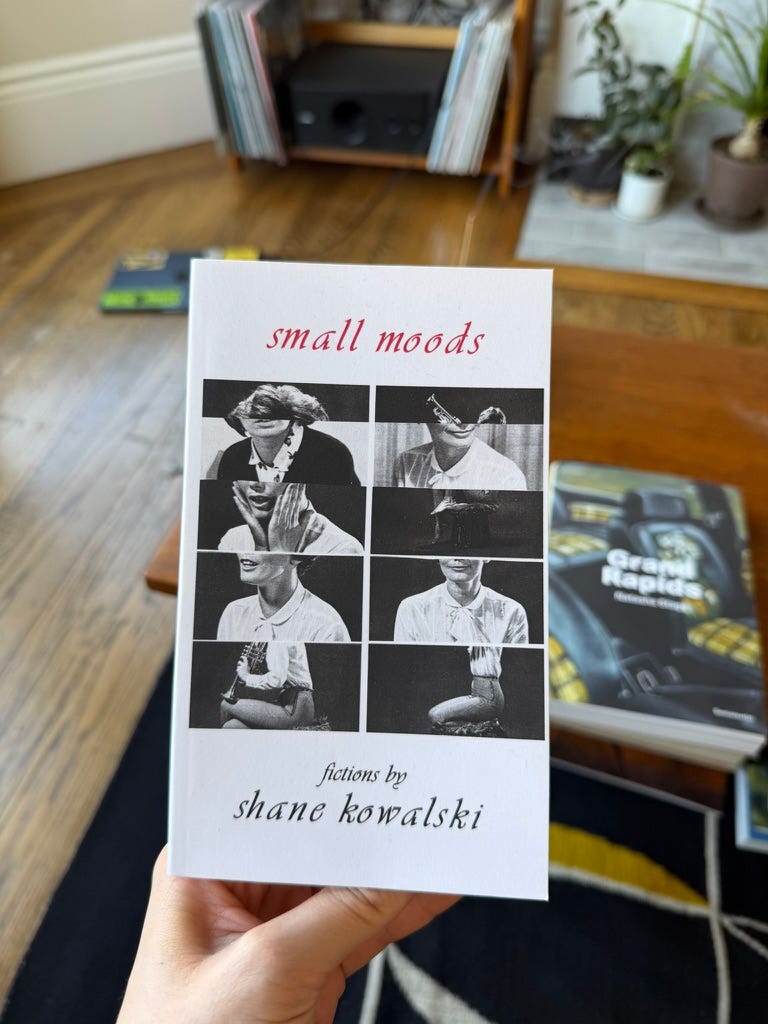
The friend I borrowed it from, Zach, is one of those people who I describe, unflinchingly and uncomplicatedly, as having good taste. Even though, after Wilson’s book, I’m starting to feel a bit guilty about not problematizing this more. Isn’t good taste about status and performance and class and exclusion? Yes, a little, but it’s also about that instinctive affinity for what is novel and strange and maybe a little weird, which is exactly the quality that comes out of Kowalski’s books. It’s a great book for the Lydia Davis heads—lots of short short stories, lots of literary references—with an edge of Garielle Lutz’s frank, bodily awareness. (I myself haven’t read that much Lutz, but I’m obsessed with these 4 stories published in The Drift a few years ago.)
Here’s one of my favorite stories from Kowalski’s book:
Another Day
A man walking his dog down your street turns out to be Gertrude Stein. She is pleasant and carries with her a drizzly cloud of Midwestern charm. She keeps saying things like ‘Moaning keeps the snake apart’ and ‘Stacking a lack comes to a past. It’s like a chant that is trying to get you into bed. Her dog is not a dog.
It’s been vexing, these days: nothing is the thing we keep looking for, even as we continue accumulating facts.
After I finished Small Moods, I found that Zona Motel—a consistently charming newsletter about independent literature—had recently published an interview with Kowalski to discuss his newest book, Are People Out There.

And from that, I learned that Kowalski has been publishing short fiction on his tumblr, about once a day, for the last fifteen years. “With over 3,400 entries,” the Zona Motel piece observes, “it goes without saying Kowalski is disciplined, prolific, and a master of short-form storytelling.” I have infinite admiration for people who show up, daily, for their chosen craft—and it’s clear, from the clever and unexpected and touching turns that Kowalski’s stories take, that the years of practice were worth it.
Essays
I’ll close out this newsletter with 5 essays and an interview that I loved from the past few weeks—on writing, friendship, Sally Rooney, science, art, and branding:
Writing advice that works. I loved David O’Neill’s essay in the New Yorker about “goofy, esoteric, and avant-garde guides” to creative writing. He touches on Lydia Davis’s pragmatic and philosophical recommendations in Essays One; the West-Coast-woo of Julia Cameron’s The Artist’s Way, and the poet/novelist/professor Lucy Ives’s three six five, which came out a few weeks ago from Siglio Press. It’s an “unclassifiable text-image hybrid,” as O’Neill describes it, that will help you feel more cheerfully experimental in your writing practice. And O’Neill’s essay might provide comfort if the experiments aren’t working:
My favorite prompt…“weak spot,” turns the turbulence of the writing life into something that, on a good day, feels like a joyride. Ives says to take one of your drafts that isn’t working and “try to write even more intensely in its style.” Failure is a reliable and infinitely renewable resource. Every day, we board the plane.
How to cultivate artistic friendships. This Sheila Heti interview, published in 2014, is supposedly about whether artists and writers should go to grad school. But Heti isn’t particularly interested in academia—
Did you ever think about going to grad school?
I never thought about it. It’s really strange for me to read this. It’s like you’re talking about a handsome, magnetic person who I don’t find handsome or magnetic at all. Grad school has no allure for me, never has.
—and so the interview is, instead, about how to organize one’s life around art, and find the friendships that help you do so:
I’ve always had individual friends, but I didn’t find the people I wanted to learn from as an adult until my midtwenties…I was definitely searching for people I could talk to in certain ways and be with in ways that had more to do with art than, I don’t know, gossip. Even though gossip is a big part of art! My then-boyfriend (later husband, later ex-husband) Carl Wilson and I began having parties every two weeks.…
I remember telling my grandmother about our isolation, and she said, “Have regular parties at your house.” I think that’s how she and her mostly Jewish, communist, artist friends socialized back in Budapest. She told me what to do, and we did it, and she was right. God, I owe a lot to my grandmother.
It was the regularity of contact that was important—she was right. We threw four events a month…It took a lot of time, and you often ended up socializing when you don’t want to. But it taught me how to have conversations, how to find people, how to work with people who are your friends, and how to turn friendships into working things. I’m just realizing for the first time what an education it was. I think making friends you can work with is a skill like any other; developing those particular kinds of intimacies.On love, Sally Rooney, and successful group projects. One argument for reading fiction is that it gives you the opportunity to read—well—even more. And sometimes what you can read is literary criticism about said fiction, which doesn’t seem that enticing, perhaps, but what if it’s the novelist Isabel Pabán Freed’s “Everything’s Fine”? I loved reading this; I’m pretty sure it will be one of the most verbally dexterous and ambitious and uncomplicatedly funny essays of the year:
If normal readers want a happy ending for Normal People, it’s because they know, in their own lives, the only way they’ll get one is if they go out and do stuff, and if they continue to read novels or political theory in which the real contradictions they encounter in their real lives are neatly resolved on the level of content or form, it’s not their desire to live in a world without these contradictions that’s the problem, nor is the writing that resonates with that desire responsible for ensuring they act on it: they just have to go out and do stuff, something only they can decide to do. But how could they? Everyone’s too busy to volunteer, it’s said, and no job site I know of has any listings for “professional revolutionaries,” a phrase used by noted go-out-and-do-stuff guy Vladimir Lenin in his 1902 work What Is To Be Done?, a book I won’t spoil, except to say, it involves a group project.
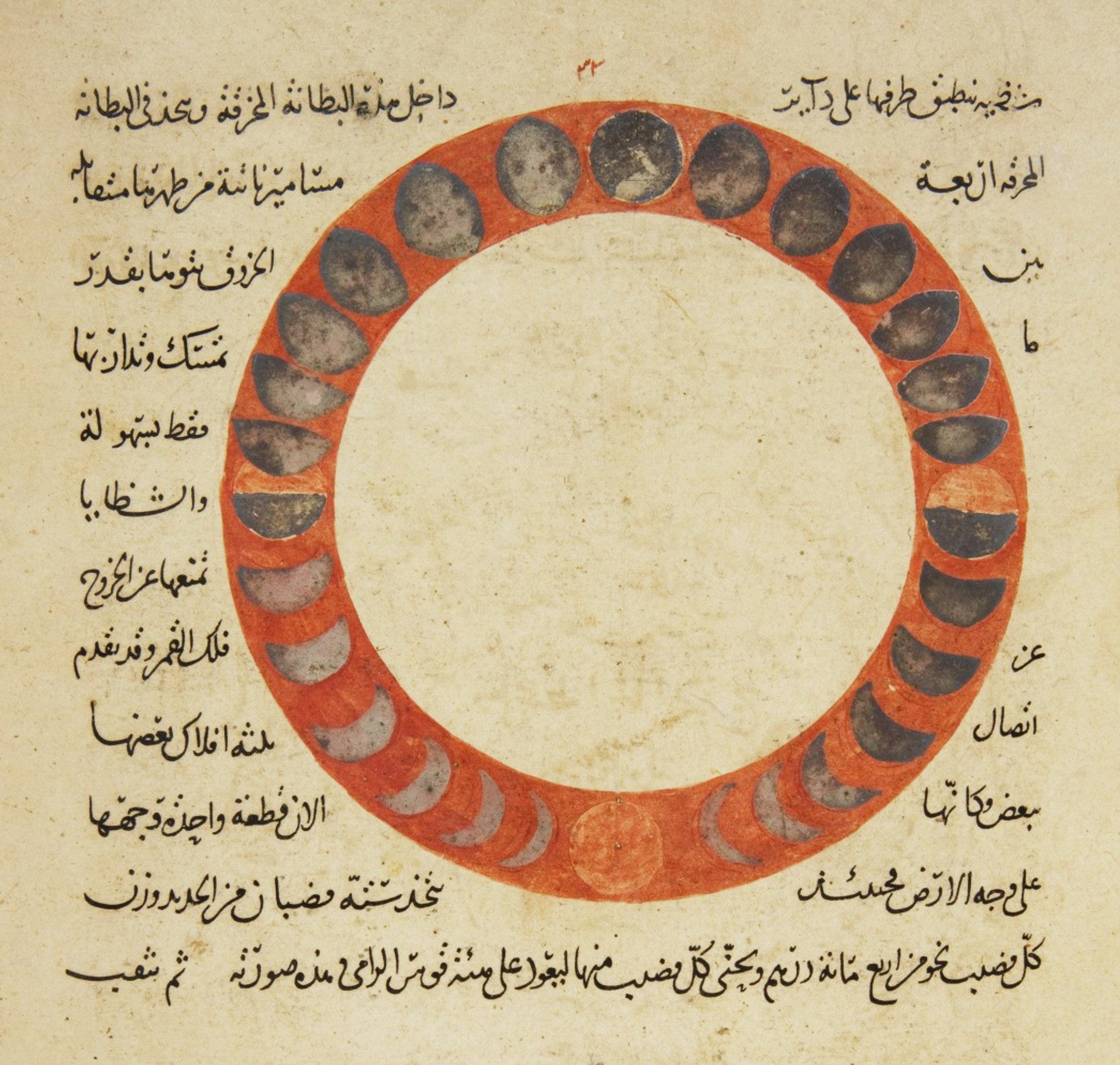
A brief history of the history of science. I’ve been thinking a lot about this tweet, about how “taste is a new core skill,” and how I agree with this statement—probably—for some definition of taste. (Obtaining this definition is an exercise left to the reader.) But my ideal curriculum for the 21st century would also treat historiography as a core skill.6 It’s harder to spell and involves a few more characters, of course, but realizing that history is contingent, and our interpretation of history is also contingent—I’m never going to recover from that high. Briefly: History is what happened, historiography is how we narrate what happened. As Matthew Jordan observes in an elegantly argued essay for Asterisk Magazine:
History has always served a purpose. There is no such thing as writing the history of Galileo. Rather, there is Sarton’s Galileo, and Conant’s Galileo, and Kuhn’s Galileo, each with its own perspective: to pedestalize, to educate, to theorize.
Jordan is particularly interested in how we explain the history of science and technology. This helps us understand the past, of course, but it also reframes what is possible in the present. In the best historical narratives, Jordan writes, “it is the complex past which can free us from the imaginative poverty of an overly narrow present.”
In defense of didactic art. It’s currently passé to believe that art should teach you something, but David S. Wallace’s defense of didactic art makes the case for art that informs and exerts a moral force. As Wallace observes,
The modern reader may cringe at the mention of the didactic, but it was once normal to think that art might instruct. Hesiod’s long poem “Works and Days,” written around 700 B.C.—one of the oldest and most widely read poems in Greek antiquity—is, among other things, a farming manual…Ovid’s “Ars Amatoria,” from 3 B.C., guided readers on finding a suitable lover (though perhaps his instructions were a little too exciting, as Ovid claimed they hastened his expulsion from Rome)…
If the idea that art can teach us something is an old one, how did it become so taboo?
Wallace observes that the medical drama The Pitt—“a sneaky piece of socialist realism (or perhaps center-left liberal realism) hiding in plain sight”—uses its moral ambitions to create “an urgency that raises the stakes and, ultimately, makes it a more compelling show.” And he cites the playwright Bertolt Brecht to note that didactic doesn’t mean boring. Ultimately, Brecht wrote, the audience for his plays “must be entertained with the wisdom that comes from the solution of problems.” So maybe it’s okay to teach people, as long as you’re capable of sustaining their attention.
What was the DTC brand? It’s a little sad to think that Everlane, the brand that launched a thousand ethical-fashion-brand business plans, is now owned by Shein. For a loose historicization of the Everlane era, it’s helpful to read Toby Shorin’s 2022 essay, “Life After Lifestyle,” which describes the rise of Everlane and similar brands. I was struck by this paragraph, which raises the question: What’s the culture-and-consumption era we’re leaving behind in 2026? What new one is being created?
We are leaving one era and entering a new one, with new models for how culture is thought about and created, and new models for commerce, but also new critical questions, and greater moral challenges. But to understand these new models, we first need to know where we’re coming from, so I’m going to start with a retrospective.7
I’m interested in new models for culture, but I don’t believe in predicting the future. I do, however, believe in learning from the past, and treating our present ideas and institutions as unstable, contingent, and subject to change. This isn’t a very calming way to end a newsletter, is it? But there’s a positive side to this: if the future is fundamentally unknowable, it means that what you do today matters.
You could read a book, advocate for an idea, use art to convey your ethics, and work on improving your little corner of the world. I, personally, am writing newsletters—which is partly because I have an indefatigable desire to generate text using my own neurons, and partly because I really believe that life is better if we all read a little more.
I’ll be back in your inbox soon with a workshop announcement, an interview with the editors of an ambitious new literary magazine, and more.8 Thank you for reading!
The novels I’m referring to are Tolstoy’s Anna Karenina and Vigdis Hjorth’s Long Live the Post Horn! (the novel that convinced me that fiction is not fake and embarrassing, and turned it into one of the organizing principles of my life). I really owe Hjorth a lot! And Charlotte Barslund, her translator; and Verso, her UK/US publisher…
I also started, but didn’t finish, about 10 different nonfiction books. Everything was research reading during those 6 weeks—I read the introduction to Sianne Ngai’s Theory of the Gimmick and half of Anna Kornbluh’s Immediacy; I almost finished Jonathan Rose’s The Intellectual Life of the British Working Classes, but once I had extracted the necessary quotes for my project, I ran off to Hannah Arendt’s Between Past and Future instead…
Reading in this way—strategically, and mostly extractively—is a little exhausting! I’m glad I did it, because I’d like the essay to feel widely researched; I’m also glad to be out of that phase, and able to read for pleasure again.
Lish is most famous as the editor who discovered Raymond Carver and “conducted the most significant edit in all of modern literature,” as Sean deLone observes, on Carver’s short stories. Readers with a Paris Review subscription might be interested in Lish’s 2015 interview, where he claims:
Had I not revised Carver, would he be paid the attention given him?…Readers were seduced, and, I’m sorry, but it was my intervention that seduced them.
I will say—and please forgive me for this!—it’s really funny, in 2026, to read about a character named Claude. It makes me wonder if any parents have named their child Claude in the last 5 years, and how they feel about Anthropic’s LLM taking over the public imagination of the name.
I actually liked Rubin’s The Creative Act! But it’s a book that could have been ⅓ the length and felt just as profound. Still—the profound bits are worth revisiting, like Rubin’s advice on establish a routine:
Consider establishing a consistent framework around your creative process. It is often the case that the more set in your personal regimen, the more freedom you have within that structure to express yourself. Discipline and freedom seem like opposites. In reality, they are partners. Discipline is not a lack of freedom, it is a harmonious relationship with time. Managing your schedule and daily habits well is a necessary component to free up the practical and creative capacity to make great art.
I love this line—Discipline is not a lack of freedom, it is a harmonious relationship with time.
I’m more than a little upset that I only learned about the concept of HISTORIOGRAPHY at the age of 25. It would have really changed things for me! An S-tier polysyllabic concept, along with “proprioception” and “intersubjectivity”…
If you want to perform longue durée trend analysis (by which I mean: observations that are historically situated in the last 2 decades of production–consumption–mediation)—it might be interesting to revisit:
Michael J. Silverstein and Neil Fiske’s Read Trading Up: Why Consumers Want New Luxury Goods (2003), which argues that more and more categories of consumer goods will be hollowed out in the middle. People are buying Shein or sacai; mid-tier brands will struggle to retain market share.
Dana Thomas’s Deluxe: How Luxury Lost Its Luster (2007), which chronicles how luxury brands have shifted from small-scale artisanal production to mass production. Doing so requires shifting how luxury is perceived, so that it’s attached to brand image and aura, not actual quality.
(I read these books over 5 years ago…back when I didn’t believe in novels…so these synopses may be a little inaccurate!)
“Soon,” also known as “once I rewrite 50% of the essay that gave me so much grief in April and early May”…
I decided to stop reading novels set in the US for a while, out of the tiredness of reading scenes from New York or San Francisco. And I question myself why, they are just fiction. Then a part of me explained to myself that by reading fiction, I want to be brought to a place that I don't have an idea about, a fantastical place (not in the meaning of fantasy genre or science fiction, but fantastical in the meaning of completely different life and scene).
I found that through fiction, for example, I might not ever read a history (factual) book about the Tamil Tiger and Sri Lanka because that country is not in my concern or interest yet, but reading "Seven Moons of Maali Almeida" (Shehan Karunatilaka) is so different. The book is written about the Sri Lanka Civil War, yet the way the war is dissected into personal experience and spiritual explanations merged with local belief and life makes the reading incredible. That is part of the reason fiction stays with me, it is the glimpse of life with multi-layered experience. it is not necessarily to be "factual" or "truth", and beyond, by revising many nonfiction books I read, a lot of "factual" turned out to be not factual or just half-factual. So I will not compare fact/not fact between non-fiction and fiction. Instead, I would argue that fiction gives us a glimpse and a window into other possibilities for living and other worldviews.
Thank you for another lovely newsletter <3
I also had a weird aversion to fiction in my 20s, mostly in favour of essays. Still not sure why, and I couldn't imagine life without fiction now. Glad it wasn't just me. Your description of the Lemann novel brought to mind Helen Garner's 'Monkey Grip' which is great on characters simultaneously appealing and unappealing.
Thanks as ever for your writing. Your newsletters always take two or three goes - one to read it, the others to follow up the references. Always plenty new to me and always appreciated.